What Calm Actually Requires
Originally written: 05 July 2021
Calm in Motion
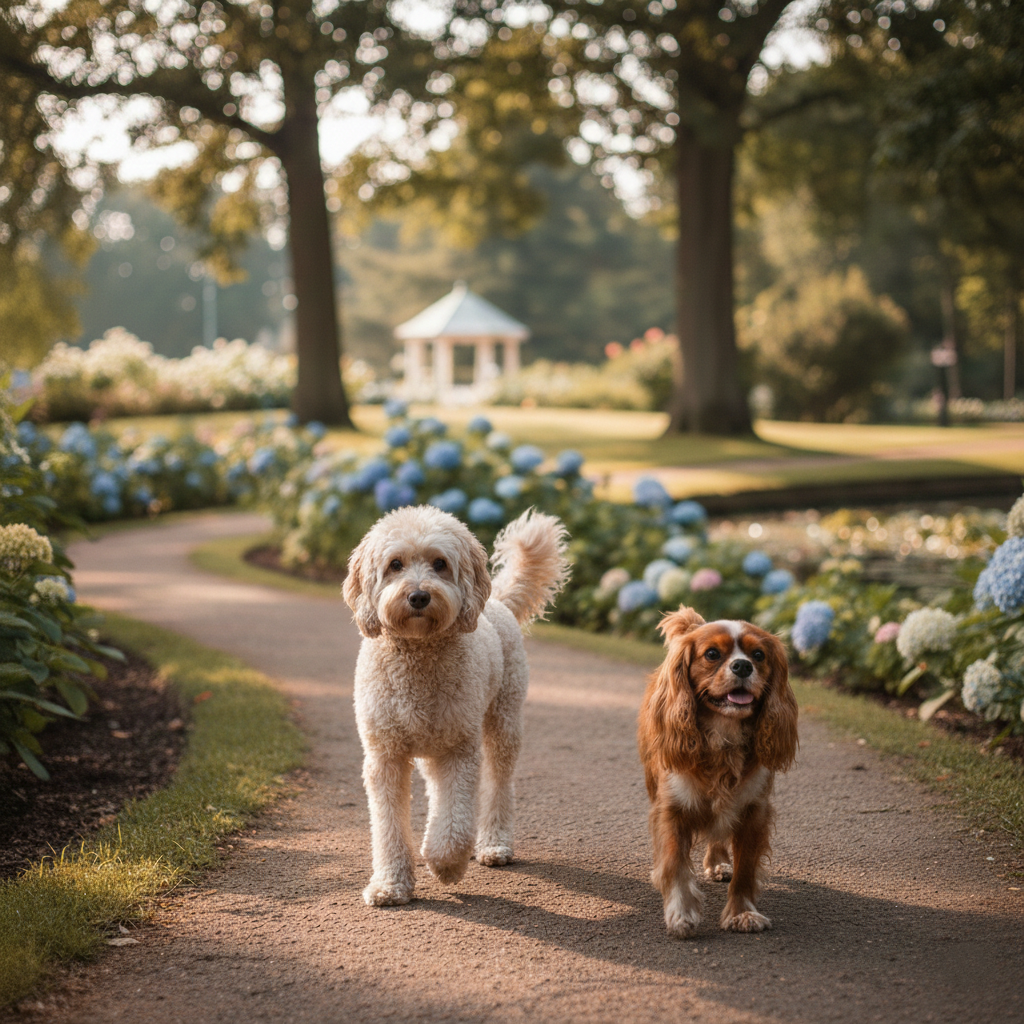
Calm isn’t passive. It’s built. Every single calm walk you see represents dozens of unseen, vital micro-decisions: how close animals are allowed to approach one another, precisely when tension is redirected, and when environmental space is intentionally widened instead of being compressed. True calm doesn’t happen because nothing goes wrong. It happens because something would have gone wrong—and didn’t. That is exactly what we are designing for with our gear. We aren't seeking to enforce perfect behavior; we are seeking predictable recovery. We aren't demanding absolute silence; we are engineering stability.
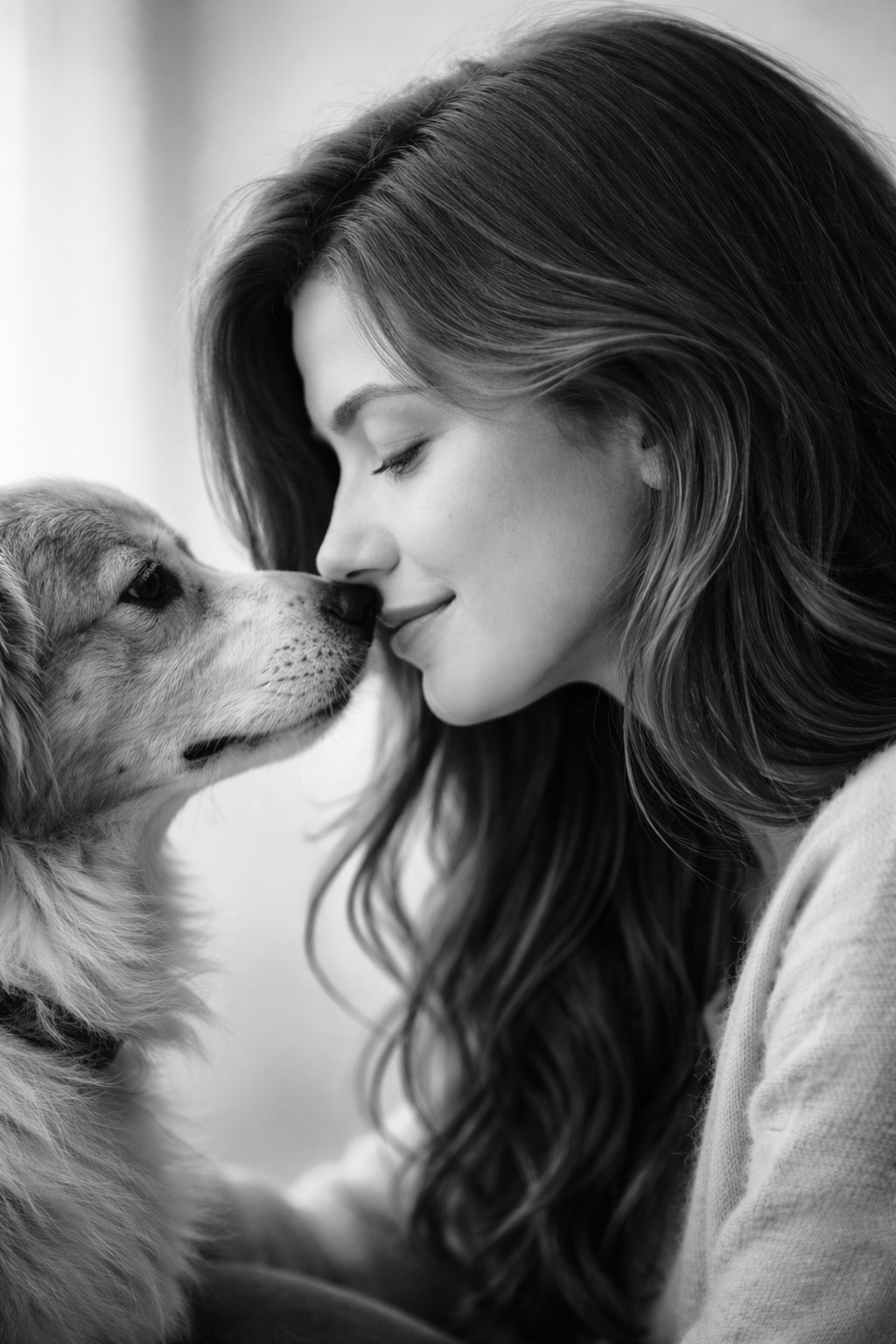
Living with rescue animals teaches you very quickly that behavior is never a fixed trait—it is entirely responsive. An animal's environment either actively supports their emotional regulation or completely undermines it. That is true inside the walls of a home, it is true on the end of a leash, and it is true in life. Because of this, we build systems that reduce escalation at the root instead of waiting to correct a crisis. That is what calm actually requires. And calm is real work.
— Elysia