Calm Is Not Passive

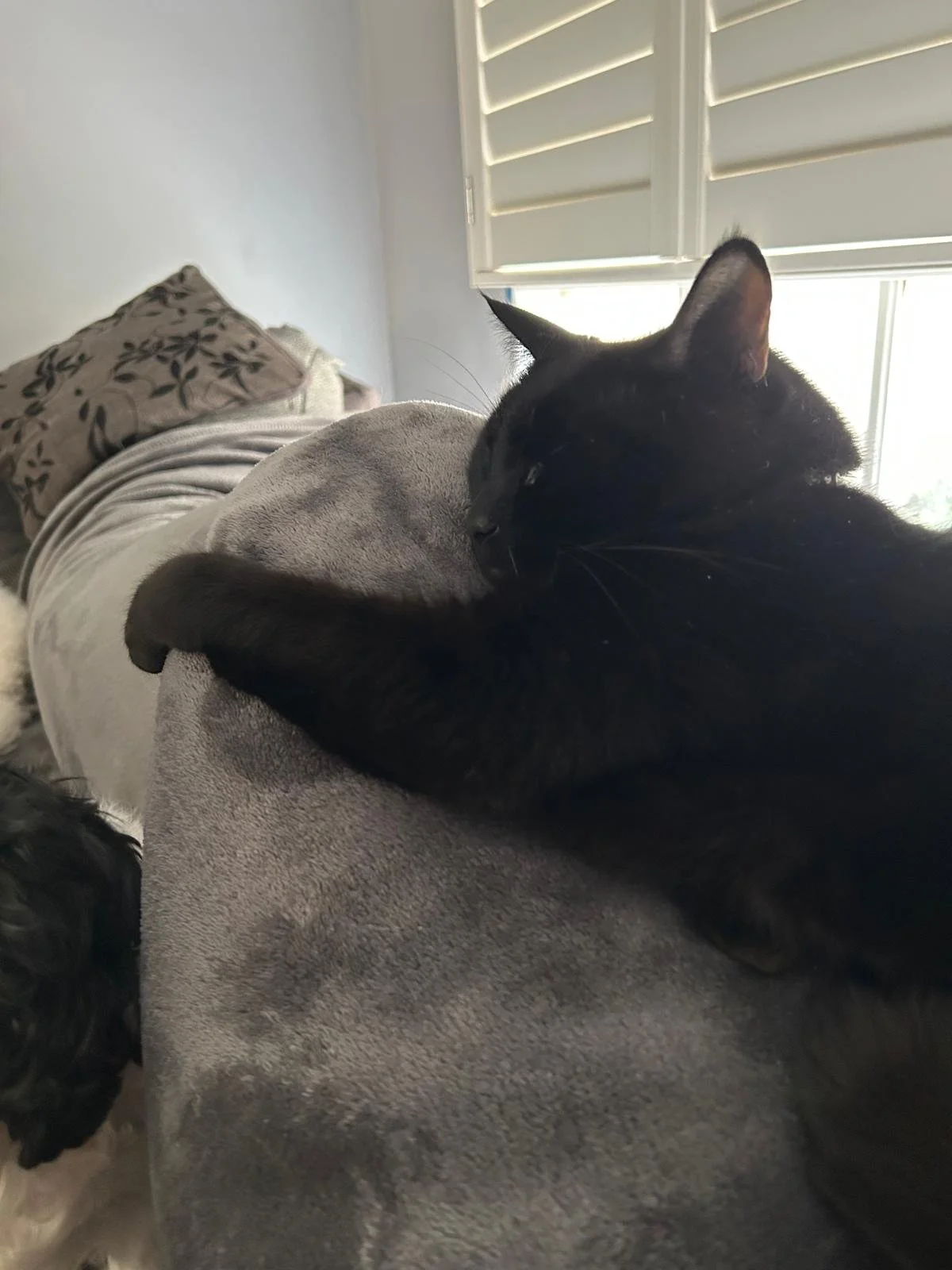
Resting in Safety

Originally written: 07 November 2022

People often mistake calm for stillness.

But calm, in practice, is active work.

It is boundary maintenance. It is rhythm enforcement. It is system stewardship.

Calm requires structure. It requires limits. It requires clarity. And it requires consistency over time — not intensity in moments.

This is one of the deepest lessons our animals teach us: nervous systems don’t heal from speeches. They heal from environments.

No animal becomes calm because someone wants them to be. They become calm because the world stops startling them.

And no human system becomes safe because someone asserts authority. It becomes safe because someone designs predictability.

That’s what we’re doing now.

Not fixing problems. Not managing chaos. Designing days that don’t create either.

— Elysia
Elysia Blackhart

Elysia Blackhart is the creative voice and co-founder behind The Hartful Company, writing from inside the lived experience of multi-animal households and long-term rescue care. Her work focuses on emotional safety, behavioral stability, and how real-world chaos shapes better design.

She co-founded Ruby’s Ark with her partner in life, Evan — a private sanctuary dedicated to animals with medical needs, disabilities, behavioral challenges, and age-related care, where “temporary” was never enough.

Elysia’s writing explores invention not as engineering, but as stewardship: how calm is built, how trust is earned, and how systems succeed when life doesn’t cooperate.

https://www.thehartfulcompany.com
Previous
Previous

The Difference Between Control and Stability

Next
Next

Designing for the Worst Day, Not the Best One