Recovery Is Not Rest
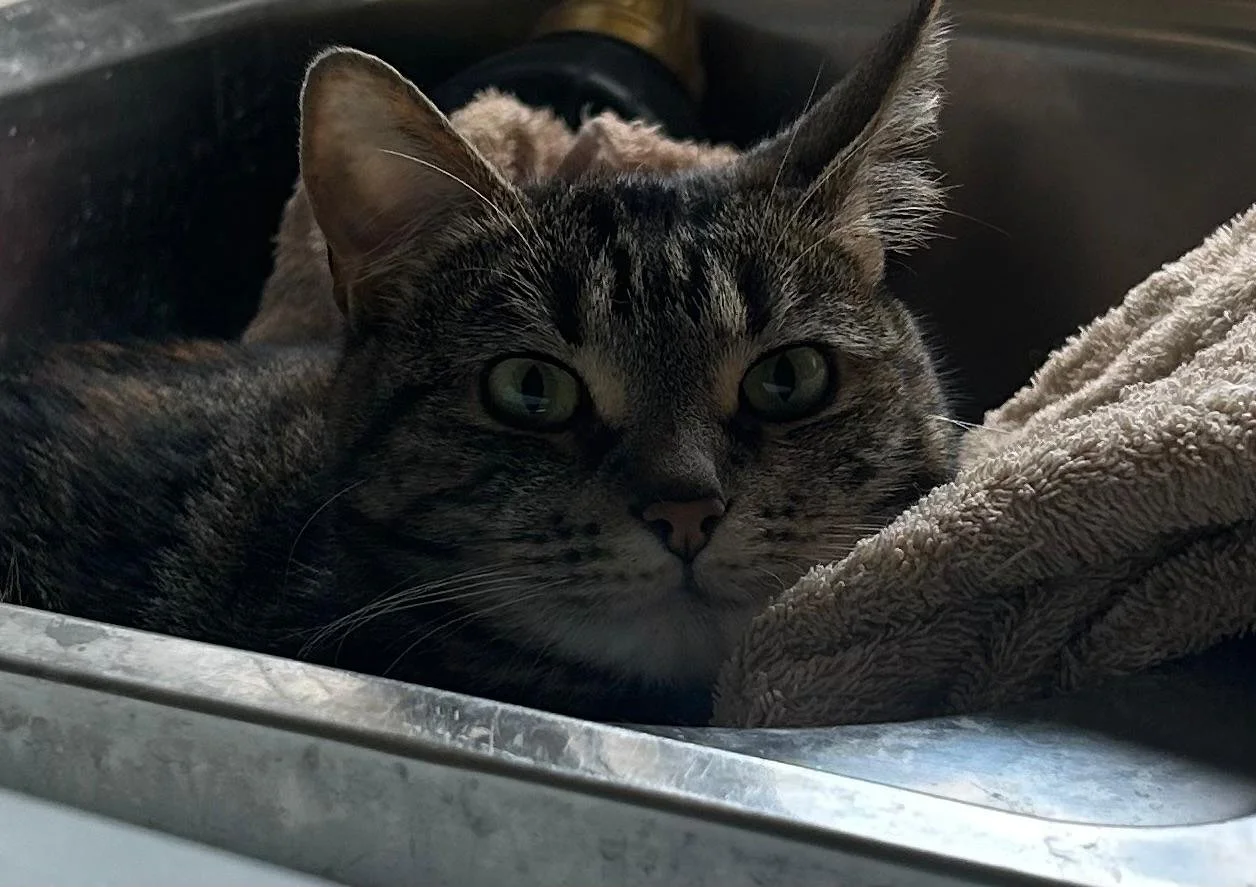
Held by the Ordinary
Originally written: 07 March 2022
Recovery is often misunderstood as rest.
But recovery, in practice, is adjustment. It’s noticing what didn’t work and choosing differently. It’s watching patterns instead of moments. It’s designing days that don’t require vigilance to survive.
In the early years of our sanctuary life, everything feels urgent. Someone is always healing. Someone is always arriving. Someone is always destabilized. The house runs on responsiveness — not structure — and responsiveness is exhausting.
Now, we’re in a different season.
Not because nothing goes wrong — but because the system absorbs it.
When a dog startles, the room doesn’t fracture.
When tension rises, the space holds.
When something fails, it fails gently.
That is what recovery feels like: not the absence of stress, but the presence of buffers.
Buffers are invisible when they work.
They only show themselves when they’re missing.
This is as true in animal care as it is in product design.
— Elysia