Boundaries That Don’t Feel Like Walls
Originally written: 06 November 2023
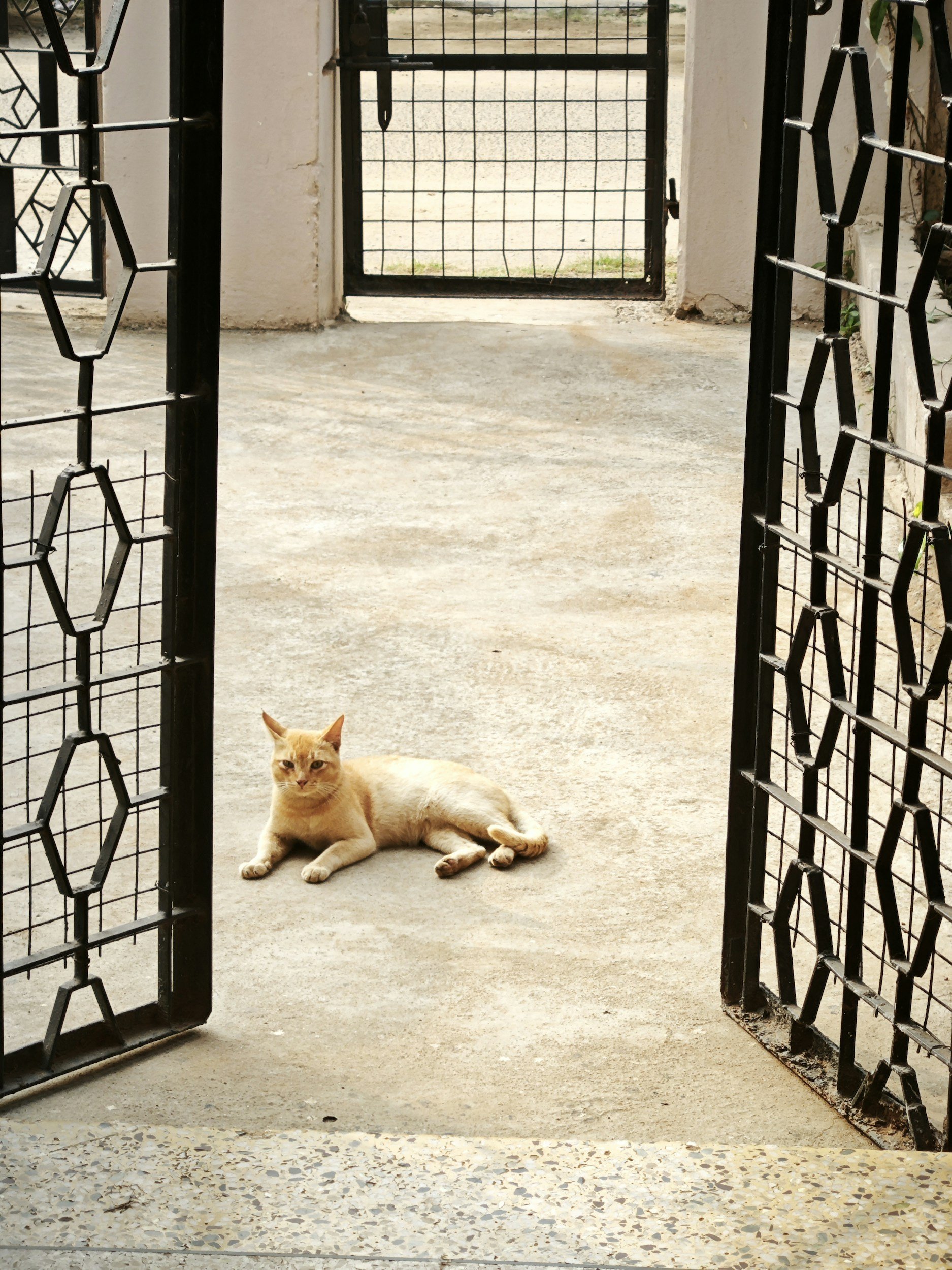
Creating zones of safety without isolating anyone. Proximity without pressure.
Boundaries often get a bad reputation because they are so frequently framed as restrictions—as strict limits on movement, access, and freedom. But in healthy systems, boundaries don’t reduce freedom; they actively redistribute it, making the space entirely usable. In our home, gates aren’t barriers. They are buffers that prevent friction before it ever forms, allowing proximity without pressure and creating distinct zones of safety without isolating anyone. True boundaries aren’t about exclusion at all; they are about thoughtful load distribution.
When animals know exactly where movement will stop, they actually move much more freely inside that designated space. When they know where others won’t intrude, they rest far more deeply, and when they know what is predictable, they explore with genuine confidence. That is the beautiful paradox of safety: structure increases freedom.
Emotionally, boundaries feel completely different when they are entirely consistent. They shouldn't be arbitrary, reactive, or mood-driven; they should just be purely structural. Structural boundaries don’t feel personal to an animal—they feel environmental. And environments don’t punish; they support. That is the exact kind of system we are building here: not one that controls behavior, but one that removes the need to control it in the first place.
— Elysia