What It Means to Stop Bracing
Originally written: 04 September 2023
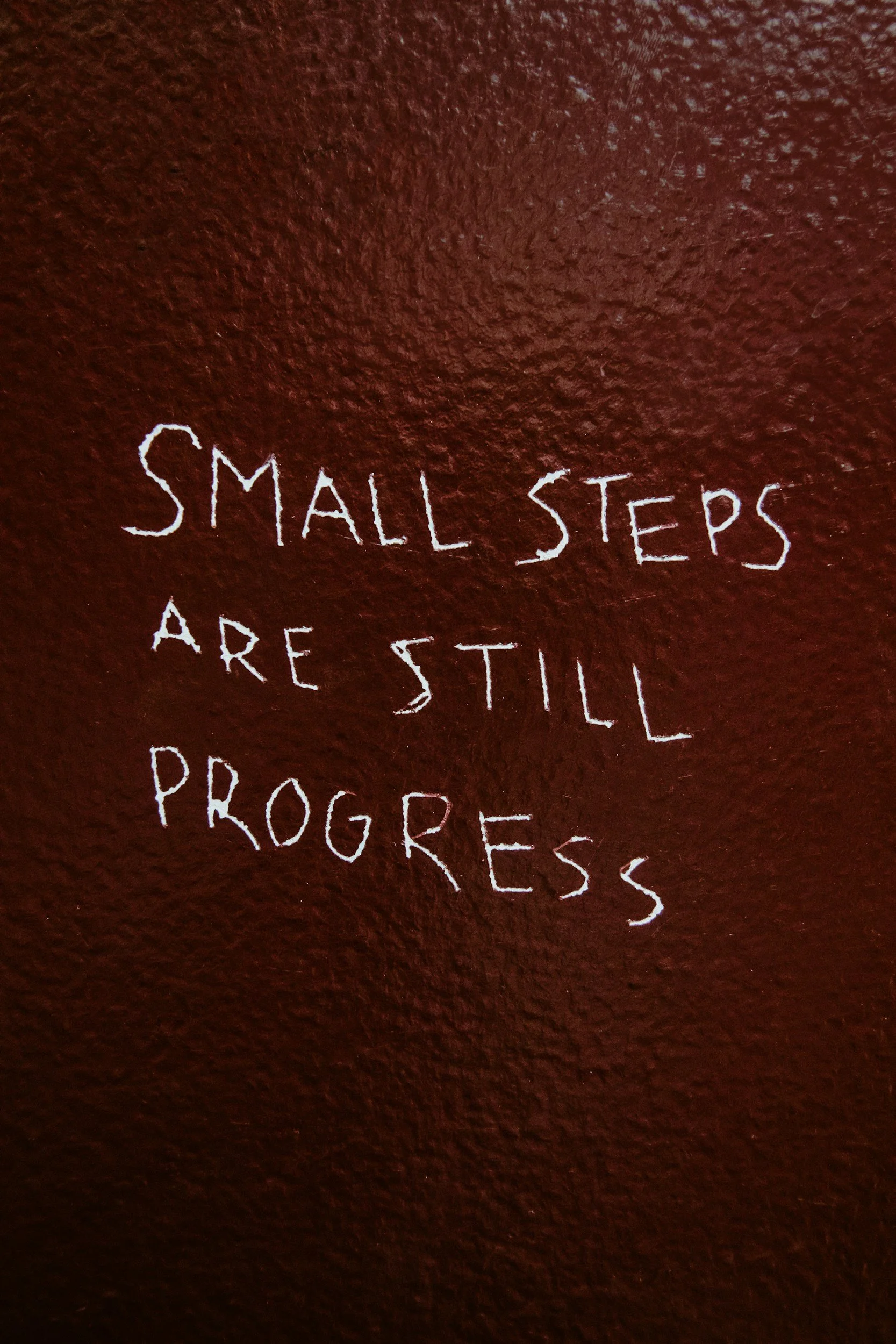
Designing surprise out of the system doesn't happen overnight. It’s built in the small steps that teach us it is finally safe to stop bracing.
There’s a specific posture animals hold when they constantly expect interruption. Their muscles stay semi-engaged, their eyes stay half-open, and their bodies rest, but never fully; even in deep sleep, they remain completely ready to move. We don’t see that posture much around here anymore. This change isn't because the animals are sedated or exhausted, but simply because the environment no longer requires constant vigilance. They aren’t bracing anymore—and neither are we.
Bracing is incredibly exhausting. It costs heavy physical and emotional energy even when nothing happens, draining vital resources long before stress ever actually arrives. We used to live entirely in bracing mode—watching thresholds, monitoring tone, scanning movement, and constantly predicting escalation. Now, escalation feels rare. It isn't impossible, just uncommon. This shift didn't happen because the animals suddenly changed, but because the system itself did. We didn’t train the fear out of them; we designed the surprise out of their space. We didn’t enforce calm; we made calm entirely inevitable.
That is the core difference. When you finally stop bracing, you don’t become careless—you become truly available. You notice more, you respond instead of react, and you learn to adjust instead of trying to control. Over time, that new posture becomes your normal baseline. It is not an intense state of alertness, but a deep, lasting ease.
— Elysia