Rhythm Is What Holds When Motivation Fades
Originally written: 04 July 2023
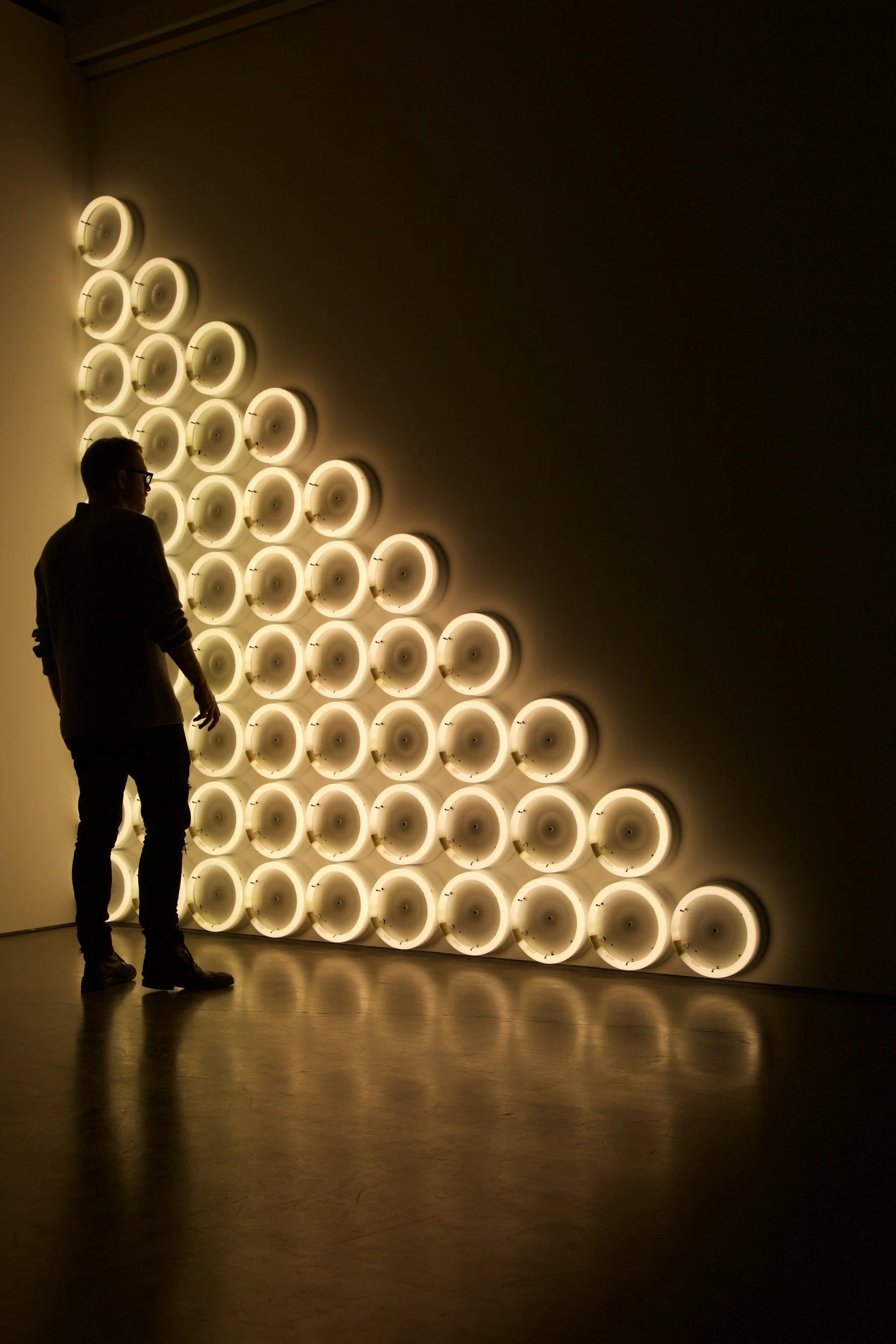
The Power of Rhythm in Design: Reducing Cognitive Load
No one lives on intention alone. Intentions fluctuate, energy dips, attention fragments, and emotion changes shape depending on the day, but rhythm always stays. In our home, safety isn’t sustained by constant effort; it’s sustained by steady repetition. Feeding happens at the same time, doors open the exact same way, walks follow familiar routes, and beds exist in predictable places so that transitions happen with the same cues. We don't do this because we’re rigid, but because rhythm entirely removes the need for constant decision-making.
Decision-making costs heavy nervous system resources, and for animals who have lived without safety, those costs are amplified. Uncertainty isn’t neutral—it is incredibly expensive. Rhythm drastically lowers that cost, not by controlling behavior, but by reducing cognitive load. We see it plainly in how bodies move now—slower, smoother, and with fewer startle responses. We see it in how conflicts dissolve before they can escalate, and in how animals truly rest instead of constantly monitoring. Calm doesn’t come from trying harder; it comes from needing to try less. That’s exactly what rhythm gives us: a system that holds even when attention drifts, not because we’re always perfect, but because the structure is.
— Elysia