Almost Six Years In — And Still Building on Purpose
Originally written: 06 January 2020
Materials Testing for Load-Bearing Pet Product Design
Most products are designed for average use. Safety systems must be engineered for the absolute worst use.
The worst moment of a walk isn’t when everything is calm and predictable. It’s the exact second when a dog suddenly lunges, a handler startles, a grip slips, or a kinetic force reacts faster than a human being can physically think. That precise moment is what truly defines a mechanical system. If the hardware can hold under those peak forces, it will hold anywhere.
At The Hartful Company, this exact boundary condition is what drives our development process.
The Flaw in Best-Case Scenario Design
When I sit down at the drafting table, I refuse to build gear based on ideal handling scenarios or perfect human behavior. Designing for the average walk is how systems fail when things get chaotic.
If a mechanism relies on a handler maintaining a flawless grip, or a dog behaving perfectly, it is fundamentally flawed before it even leaves the shop. Most standard equipment functions well enough on a quiet sidewalk, but it fails to account for the rapid, unpredictable changes in environment that happen in real life.
Engineering Around Peak Forces and Worst-Case Physics
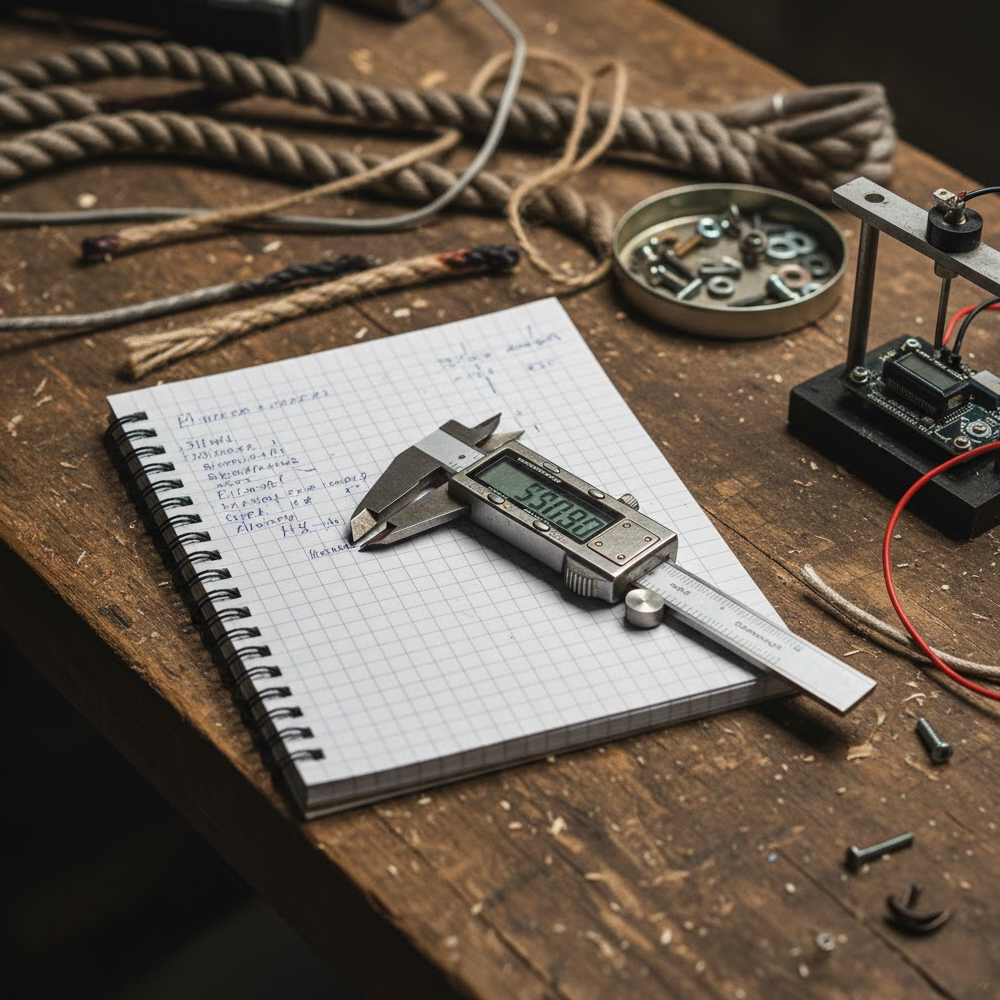
Instead of optimizing for comfort under normal conditions, we design from the absolute edge of material and mechanical failure. We look closely at the raw vectors that occur during a sudden stress event.
True safety engineering means accounting for:
The angle of a sudden sideways lunge
The wet friction coefficient of a slipped handle
The rapid shock load on a carabiner joint
The delayed human reaction time during a surprise
By building the entire system to withstand these specific worst-case physics, we guarantee that the baseline, everyday experience becomes effortlessly secure.
Why Hardware Reliability Dictates Handler Confidence
Many products focus on raw tensile strength, but a high break-strength rating doesn't mean much if the system transfers all that chaotic energy directly back into the human hand or wrist.
Unchecked force transfer creates:
Severe hand fatigue
Sudden wrist strain
Reduced control over the lead
Our goal with MyHerculead is to isolate and manage those peak forces within the internal mechanism itself. When the hardware handles the chaos, the handler can maintain composure.
What’s Next
We are continually pushing our prototypes past their expected limits in the workshop to refine how the internal components manage sudden energy spikes. We are committed to releasing this lead only when the data proves it can handle the worst moment of any walk.