What Real-World Testing Actually Looks Like
Originally written: 03 February 2020
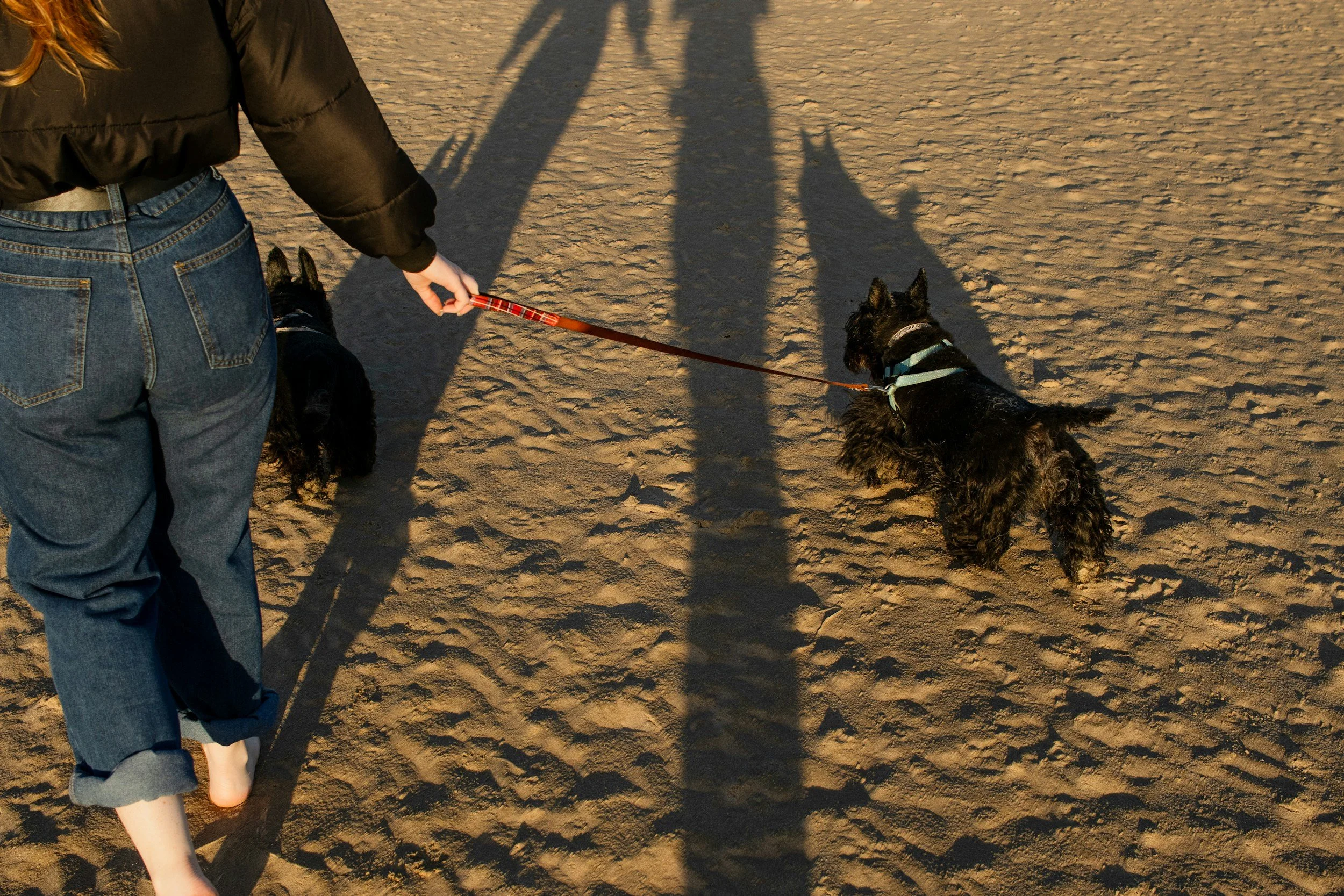
Real-World Testing of Dog Walking Systems in Everyday Environments
It’s February 2020, and while development looks quiet from the outside, it isn’t passive. Most of our engineering work happens on actual walks, not on whiteboards in the studio.
Field Observations as System Data
To build a reliable mechanism, we have to observe how physical forces interact in the wild. We are treating every single walk as a field test to gather precise, qualitative data on motion and tension. If we don't understand how the system behaves in a chaotic environment, we cannot design components to mitigate that chaos.
Right now, we are analyzing specific variables out on the trail:
How dogs cross paths and create rotational interference
Where mechanical tension accumulates along the line
How human handlers physically react under sudden surprise
Which specific angles of motion completely destabilize a person's balance
Chasing Predictability Over Perfection
We are not chasing aesthetic perfection or clever design concepts. We are chasing mechanical predictability—ensuring calm, controlled system behavior under entirely unpredictable conditions.
That means completely tearing down and rebuilding components that technically “work” in a stationary environment, but fail to behave intuitively when the handler is under stress. Progress in product development isn't a straight line. Some iterations advance the design forward, while others simply expose our mechanical blind spots. Both outcomes are equally valuable to the loop.
True safety does not come from cleverness. It comes from rigorous repetition.