Designing for Drift
Originally written: 04 March 2024
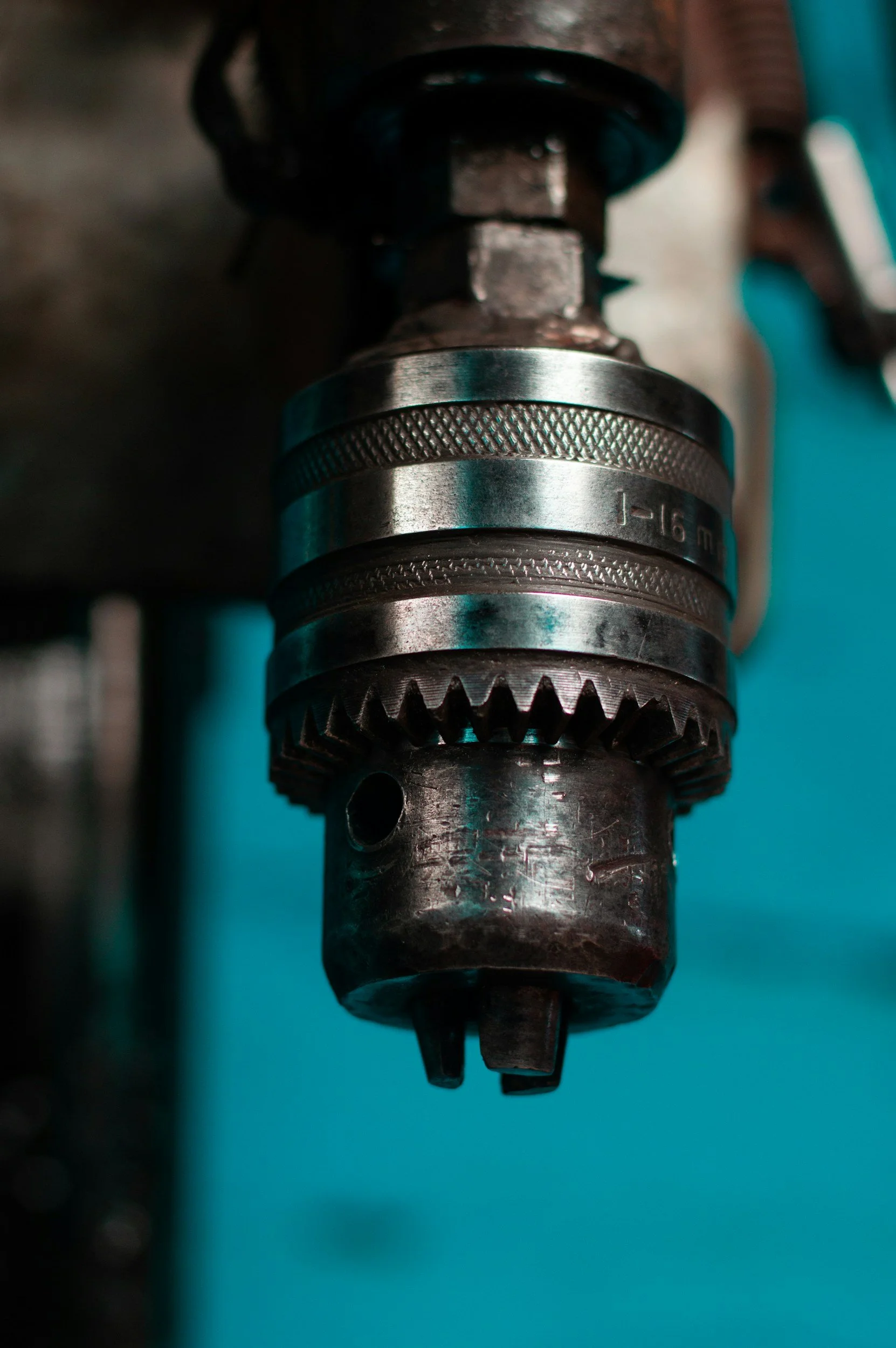
Designs that only work when geometry is perfect are prototypes, not systems.
No system stays perfectly aligned over its operational lifespan. Parts inevitably wear, bodies fatigue, users adapt to shifting conditions, and environments change without warning. Most mechanical failures do not stem from sudden, extreme overload; they come from gradual drift. This manifests as a strap that slowly migrates out of alignment, a joint that begins rotating slightly differently than intended, or a handler's grip that weakens after an exhausting day. Designs that only function properly when physical geometry is perfect are merely prototypes, not stable systems.
Resisting Material and Behavioral Fatigue
Real-world systems must tolerate misalignment, misuse, fatigue, and distraction as standard operational realities. In biomechanics, this requires engineering for asymmetric load paths and delayed response times. In materials science, it means designing for micro-failure—where components absorb stress incrementally—instead of allowing a catastrophic fracture. In interface design, it requires planning for hands that do not grip the equipment the exact same way twice.
Systemic Drift as the Operational Baseline
Drift is not an anomalous edge case; it is the baseline reality of any tool in use. Equipment engineered to hold together under the weight of continuous drift rarely feels impressive or flashy during a standard demonstration. Instead, because it quietly absorbs every microscopic shift and structural variance without interrupting the user, it feels completely invisible.